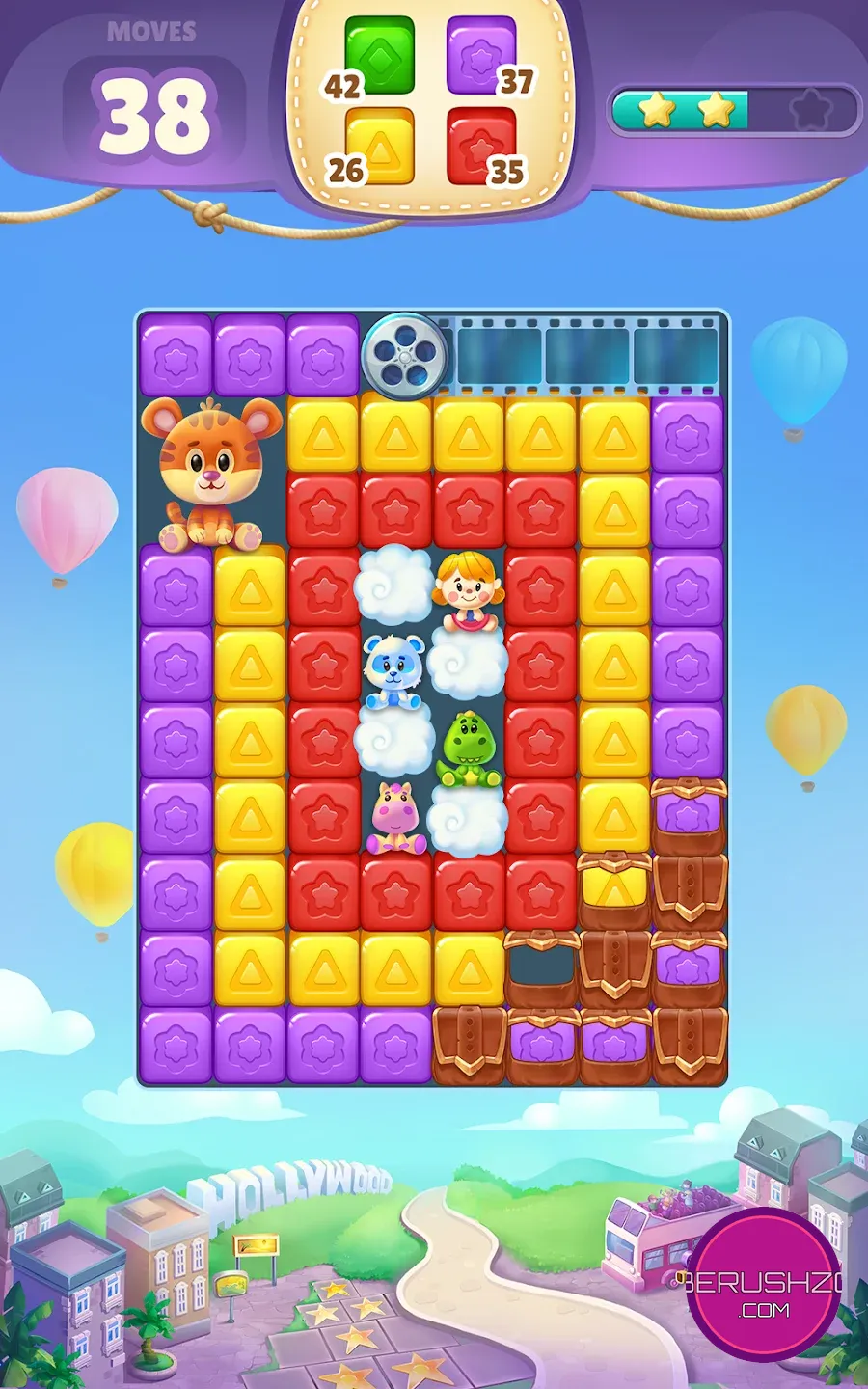
Beginner to Intermediate
These stages teach the core logic gently. You are mostly learning to read color clusters, predict falls, and feel the rhythm of the board after a strong clear.
The game grows from easy pattern recognition into more layered puzzle management. Knowing the shape of that curve makes progression feel smoother and less surprising.
| Tier | Level Range | Board Style | What to Focus On |
|---|---|---|---|
| Beginner | 1-50 | Open layouts, forgiving color groups, simple clear goals | Learn how falling cubes reshape the board and start spotting easy combo setups. |
| Intermediate | 51-150 | Tighter spacing, more awkward edge clusters, trickier objectives | Preserve space and avoid small clears that break future chains. |
| Advanced | 151-300 | Multi-step boards, blocked corners, greater need for sequencing | Plan two or three moves ahead and save support tools for real bottlenecks. |
| Expert | 300+ | Dense layouts, strict board control, little room for casual tapping | Read the whole board, respect the objective, and prioritize shape-changing clears. |
Each tier changes the kind of thinking the game asks from you. The screenshots below show how the visual density and board demands gradually increase.
These stages teach the core logic gently. You are mostly learning to read color clusters, predict falls, and feel the rhythm of the board after a strong clear.
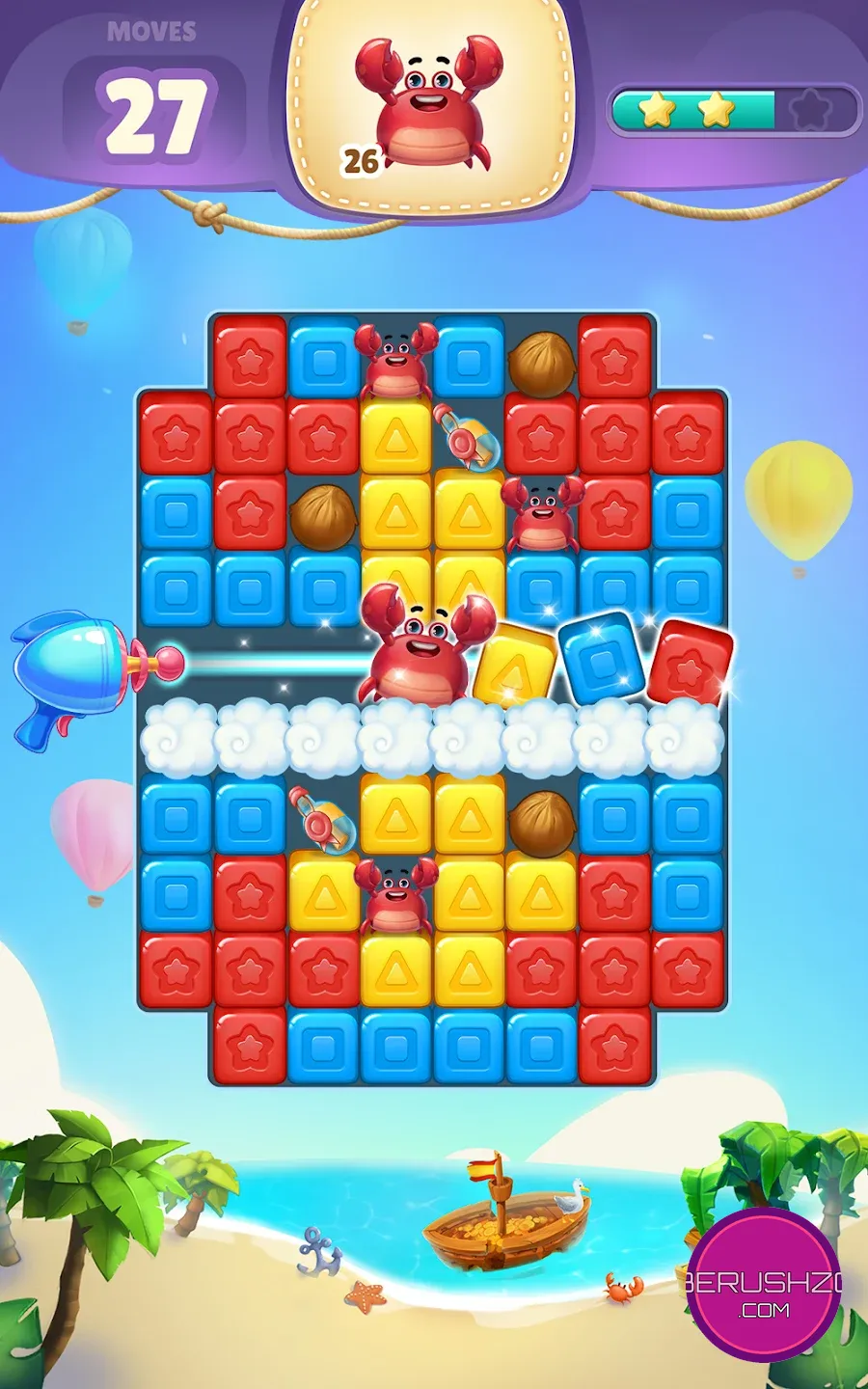
The board begins to punish careless taps. Corners matter more, and preserving useful color links becomes just as important as clearing space.
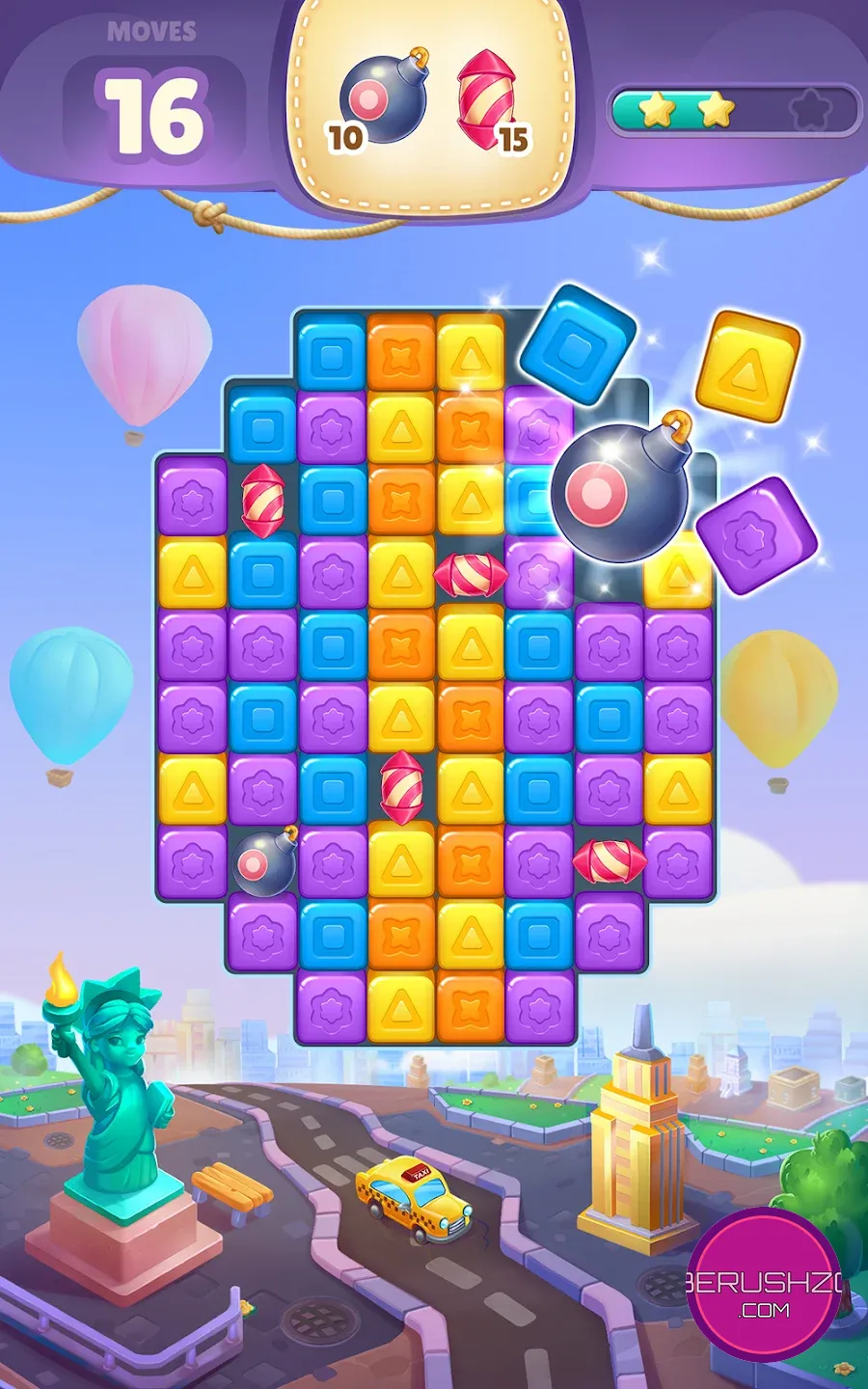
Later boards introduce layouts where one weak decision can affect the next several moves. The best approach is calm planning instead of urgent clearing.
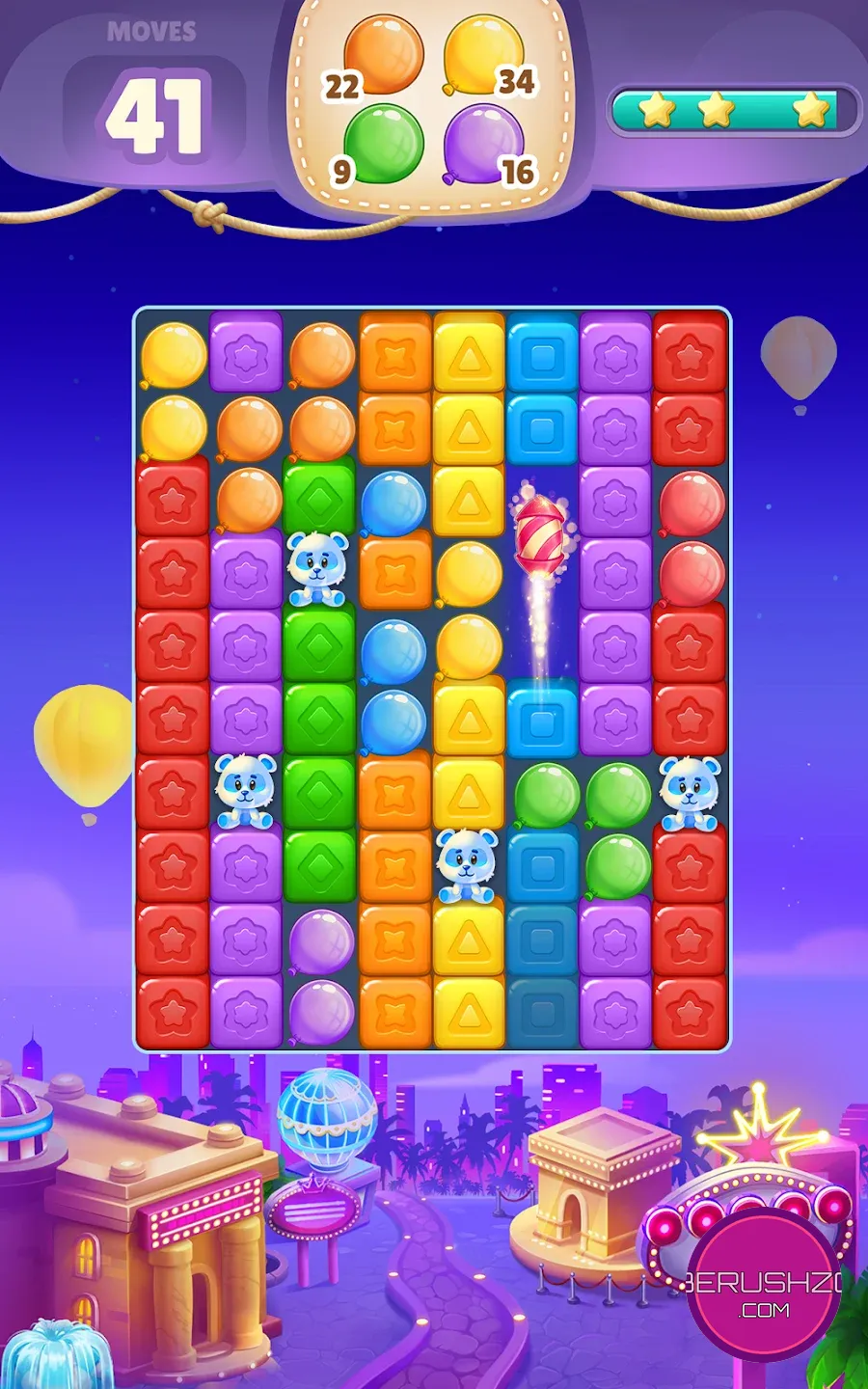
At this stage the puzzle asks for discipline. You need to think in chains, respect board shape, and avoid letting stubborn edge colors build up.

CubeRushZone is intended for users 18 and over. Please confirm your age to continue.